For three years, Dream was the most famous face no one had ever seen. The Minecraft YouTuber amassed over 30 million subscribers, broke speedrunning records, and built a devoted fanbase while wearing nothing but a simple smiley-face mask in any public appearance. His identity became gaming’s worst-kept secret and most hotly debated mystery, until October 2022, when he finally pulled back the curtain.
The reveal sent shockwaves through the gaming community, trending worldwide and sparking conversations that went far beyond Minecraft. What did Dream actually look like? Why did he wait so long? And how did one faceless creator’s unmasking become a cultural moment that reshaped expectations for content creators everywhere?
Here’s the full story behind Dream’s face reveal, from his meteoric rise to the aftermath that continues to influence his content today.
Table of Contents
ToggleKey Takeaways
- Dream maintained anonymity for three years while building a 30+ million subscriber audience through expert content creation and tight editing, proving that faceless creators can achieve record-breaking success on YouTube.
- Dream’s October 2022 face reveal became a cultural moment and global trending topic, demonstrating the immense anticipation built through years of mystery and parasocial engagement with fans.
- The reveal sparked widespread body shaming and online harassment alongside celebratory reactions, highlighting toxic double standards in how audiences judge creators based on appearance rather than content quality.
- Dream’s face reveal unlocked new content opportunities including in-person collaborations, brand partnerships, and IRL videos that expanded his creative possibilities beyond Minecraft gameplay.
- The experience offers valuable lessons for anonymous creators: timing matters, prepare for negativity, understand the reveal is permanent, and build strong community moderation to manage inevitable criticism.
- Today, Dream continues to thrive with diversified content including IRL challenges and podcast appearances, with the initial harassment fading into normalized acceptance as new audiences discover his work.
Who Is Dream? Understanding the Minecraft Phenomenon
The Rise of a Faceless Content Creator
Dream launched his YouTube channel in 2019, but his explosive growth didn’t start until early 2020 when he began uploading Minecraft Manhunt videos. The concept was simple but addictive: Dream attempted to beat Minecraft while his friends hunted him down, trying to kill him before he could defeat the Ender Dragon.
The format showcased insane mechanical skill, creative problem-solving, and genuine tension. Within months, his subscriber count went parabolic. By mid-2020, he was pulling 20-30 million views per video, numbers that rivaled established creators who’d been grinding for years.
What separated Dream from other Minecraft creators wasn’t just his gameplay. His editing was tight, his pacing was perfect, and his ability to create narratives within unscripted gameplay felt almost cinematic. He understood YouTube’s algorithm better than most, optimizing thumbnails, titles, and upload schedules with surgical precision.
But the faceless persona became part of his brand identity. While other creators showed their reactions on webcam, Dream remained an enigma, represented only by his iconic smiley-face logo and his voice.
Record-Breaking Success Without Showing His Face
By 2021, Dream had become one of the fastest-growing content creators in YouTube history. He hit 10 million subscribers in just over a year, a feat that took most creators half a decade or longer. His Manhunt finale videos routinely crossed 50 million views.
Beyond YouTube, Dream co-created the Dream SMP, a private Minecraft server that became a cultural phenomenon in its own right. The server featured scripted roleplay mixed with genuine multiplayer chaos, starring other major creators like TommyInnit, Technoblade, GeorgeNotFound, and Wilbur Soot. At its peak, Dream SMP streams pulled hundreds of thousands of concurrent viewers.
Dream’s music career also took off. His song “Mask” hit #1 on iTunes and sparked endless memes, for better or worse. Love it or hate it, it proved his influence extended beyond Minecraft gameplay.
All of this happened while his actual appearance remained unknown. Fans speculated endlessly, analyzing hand reveals in videos, voice patterns, and any slip-ups that might hint at his identity. The mystery fueled obsession, creating a parasocial relationship that was both devoted and, at times, unsettling.
Why Dream Kept His Face Hidden for So Long
Privacy Concerns and Online Safety
Dream wasn’t hiding his face for theatrics alone. In multiple interviews and community posts before the reveal, he cited privacy and safety as primary concerns. When you’re one of the most recognizable voices in gaming, anonymity offers a shield that’s hard to give up.
He’d seen what happened to other creators when their personal lives became public. Doxxing, stalking, harassment, these weren’t hypothetical threats but documented dangers in the content creator world. Keeping his face hidden meant he could live a relatively normal life outside of streaming. He could go to the grocery store, hang out with friends, or travel without being mobbed.
Dream also mentioned his family’s privacy. Unlike solo creators who only risk their own exposure, Dream’s reveal could impact his parents, siblings, and anyone else in his life. That weight wasn’t something he took lightly.
There were logistical concerns too. Once you show your face, there’s no going back. The decision is permanent, and Dream wanted to be absolutely certain before making that leap.
Building Mystique Through Anonymity
But let’s be real: the mystery also worked in his favor. Faceless creators inherently generate curiosity. People want to see the person behind the content, and that desire drives engagement, speculation, and community discussion.
Dream leaned into this. He’d tease face reveals that never came, drop cryptic hints, and engage with fan theories. It wasn’t manipulative, it was smart branding. The longer he waited, the bigger the eventual reveal would be.
Other creators had built careers on anonymity too. Corpse Husband remained faceless while dominating Among Us streams. H20Delirious never showed his face even though years of success. But Dream’s scale was different. With tens of millions of subscribers, the anticipation reached fever pitch.
By 2022, the question wasn’t if Dream would reveal his face, but when, and what would happen when he finally did.
The October 2022 Face Reveal: What Happened
The Viral Reveal Video and Initial Reactions
On October 2, 2022, Dream uploaded a video titled “hi, i’m dream.” No flashy thumbnail, no elaborate production, just a simple title and the moment millions had been waiting for.
The video opened with Dream sitting in his studio, still off-camera, explaining why he’d decided now was the time. He talked about wanting to meet his friends in person, attend events, and create new types of content without the mask. Then, after years of buildup, he stepped in front of the camera.
Dream appeared as a young man in his early twenties with dirty blonde hair, a casual smile, and an outfit that screamed “I’m trying not to overthink this.” The reveal itself was understated, no dramatic music, no slow-motion unmasking. Just Dream being Dream.
The video racked up millions of views within hours. At its peak, it was trending #1 worldwide on YouTube and across Twitter. Gaming outlets from IGN to Game Rant covered the story, dissecting every frame and fan reaction.
Initial responses were mixed but largely positive. Long-time fans expressed joy at finally seeing the person they’d supported for years. Fellow creators congratulated him, with GeorgeNotFound and Sapnap appearing in the video to meet him in person for the first time.
Social Media Explosion and Fan Response
Twitter, predictably, lost its mind. Within 24 hours, Dream’s face reveal generated over 5 million tweets, making it one of the most-discussed topics of the year. Fan artists immediately began creating portraits, memes flooded timelines, and reaction compilations went viral.
The Dream SMP community, in particular, celebrated the reveal. For years, fans had imagined what their favorite creators looked like during roleplay streams. Now, one of the server’s central figures had a real face to match the voice.
But the internet being the internet, not all reactions were kind. Almost immediately, criticism and mockery began circulating, criticism that would escalate into something far uglier.
What Dream Actually Looks Like: Describing His Appearance
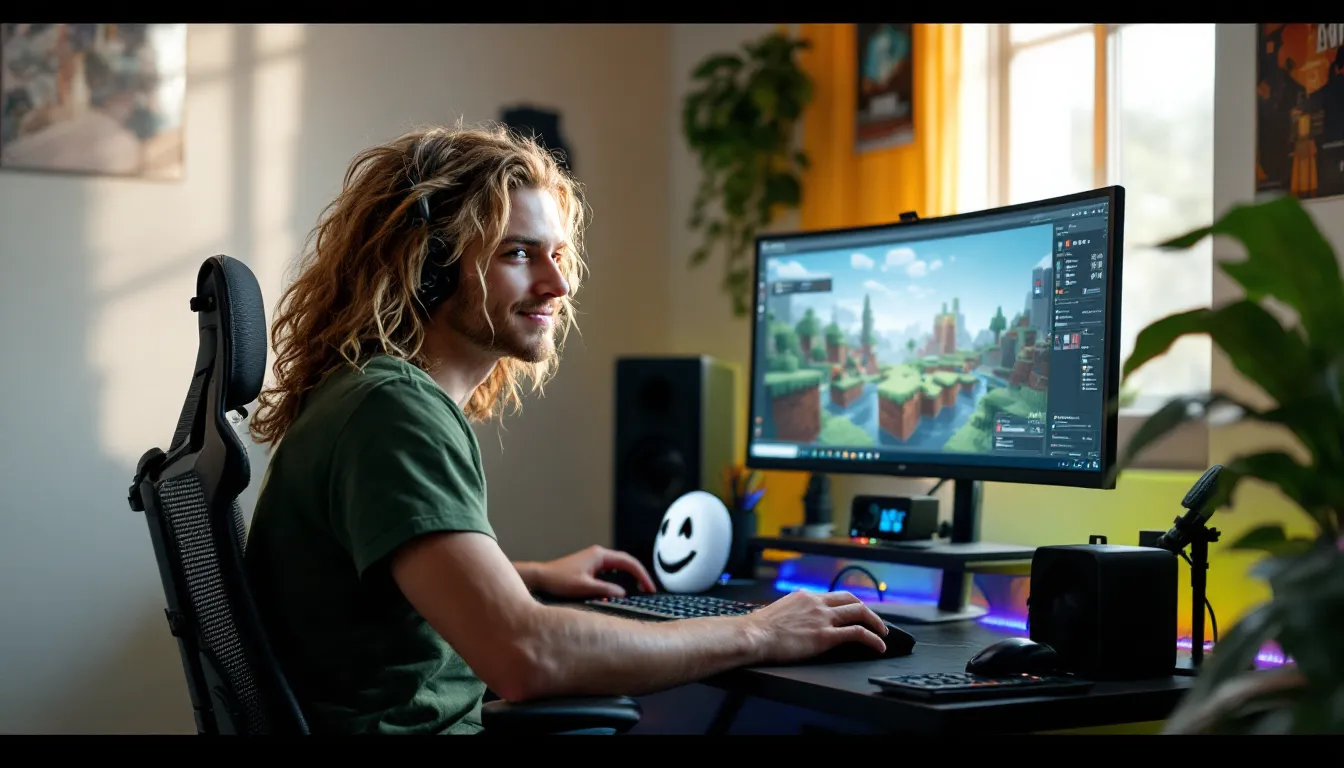
Dream’s appearance in the reveal was remarkably ordinary, which was kind of the point. He’s a white male in his early twenties with wavy, dirty blonde hair, a medium build, and an approachable, boy-next-door look. He wore a simple green shirt, a nod to his branding, and the whole vibe was casual rather than staged.
He didn’t look like a Hollywood actor or a male model, nor did he look radically different from the few hints fans had pieced together over the years. He looked like a regular dude who happened to be insanely good at Minecraft.
For many fans, that normalcy was comforting. Dream wasn’t trying to be someone he wasn’t. The face matched the personality they’d come to know through years of videos and streams.
Comparing Expectations vs. Reality
Fan expectations before the reveal were all over the map. Some had built him up as impossibly attractive based on voice alone, while others joked he’d look like “a Discord mod” or some other internet stereotype. The reality landed somewhere in between, which disappointed people on both extremes.
Artists who’d spent years drawing Dream’s character had to reconcile their interpretations with his actual appearance. Some fan art depicted him as more traditionally attractive or stylized, and the reveal forced a mental recalibration.
There were also the inevitable comparisons to his Minecraft skin and avatar. The smiley-face mask had been his visual identity for so long that seeing a real human face felt jarring to some viewers, even if they’d been anticipating it.
Still, for most of his core audience, the reveal was satisfying. It answered the question they’d been asking for years and allowed Dream to move forward with new content opportunities. Whether he met some arbitrary standard of attractiveness was, for many fans, beside the point.
The Controversy and Backlash Following the Reveal
Body Shaming and Online Harassment
Within hours of the reveal, a darker side of the internet reared its head. Dream became the target of widespread body shaming and appearance-based harassment, primarily on Twitter and TikTok. Users mocked his looks, created unflattering edits, and compared him negatively to other creators.
The cruelty was stunning in its scope and speed. Memes ridiculing his appearance trended alongside celebratory posts. Some critics claimed he didn’t meet their expectations, as if a content creator owed his audience conventional attractiveness.
Dream addressed the harassment in follow-up tweets and streams, acknowledging the negativity but refusing to let it define the moment. He emphasized that he was happy with his decision and grateful for the support from genuine fans.
The situation highlighted a toxic double standard in online communities. Female creators face relentless appearance-based harassment regularly, but the intensity directed at Dream showed that male creators aren’t immune, especially when they’ve built massive followings without their looks being a factor.
The Fan Community’s Defense and Support
To their credit, Dream’s fanbase mobilized quickly to counter the hate. The hashtag #DreamFaceReveal was flooded with supportive messages, fan art celebrating his appearance, and condemnation of the body shaming.
Fellow creators also spoke out. Many pointed out the absurdity of judging someone’s worth based on how they look, especially when that person had already proven their value through years of top-tier content. The gaming community, often criticized for toxicity, showed a more compassionate side during this moment.
Moderation teams on platforms like Reddit and Discord worked overtime to remove harassment and enforce community guidelines. Fan subreddits established strict rules against appearance-based criticism, creating safer spaces for discussion.
The controversy underscored a larger conversation about parasocial relationships and fan entitlement. Dream didn’t owe anyone a face reveal, nor did he owe them a specific appearance. The fact that some fans felt betrayed or disappointed said more about their expectations than about Dream himself.
How the Face Reveal Changed Dream’s Content and Brand
In-Person Collaborations and IRL Content
The face reveal unlocked content opportunities that were previously impossible. Dream could now attend conventions, participate in IRL challenges, and collaborate face-to-face with other creators without the logistical nightmare of hiding his identity.
One of the first major events post-reveal was TwitchCon 2022, where Dream met fans in person for the first time. The emotional meet-and-greets went viral, with fans crying, hugging, and expressing gratitude for the connection they’d felt through his content.
Dream also began appearing in more traditional vlogs and IRL videos with the Dream Team (GeorgeNotFound and Sapnap). The chemistry between them, previously only heard through voice chat, translated well to on-camera content. Their dynamic felt authentic, which helped ease the transition for fans who were used to faceless content.
The reveal also opened doors for brand partnerships and sponsorships that required on-camera presence. Companies were more willing to invest in a creator who could represent their products publicly.
Impact on the Dream SMP and Minecraft Community
The Dream SMP’s golden era had already passed by the time of the reveal, activity on the server had slowed significantly in 2022. But the face reveal did reignite interest in the community, if only briefly.
Fans revisited old Dream SMP clips with new perspective, now able to visualize the person behind the character. It added a layer of immersion that hadn’t existed before, even if the roleplay-heavy content had largely concluded.
More broadly, the reveal influenced how the Minecraft community viewed anonymity. Dream had proven you could reach the absolute peak of success without showing your face, but his eventual reveal suggested there was a ceiling to that approach, at least for creators who wanted to expand beyond YouTube.
Other faceless Minecraft creators watched closely, weighing their own decisions about anonymity. Dream’s experience became a case study in both the benefits and risks of revealing your identity after building a massive following. Gamers interested in personalizing their own avatars found inspiration in customization options like Minecraft cape codes to express individuality without full reveals.
The Broader Impact on Faceless Content Creators
Other Major Face Reveals in Gaming History
Dream wasn’t the first faceless creator to unmask, but his reveal was arguably the biggest. Looking at gaming history, several others had walked this path before him.
H2ODelirious remains one of the most notable holdouts, continuing to produce content without ever revealing his face even though years of speculation. His commitment to anonymity has become part of his brand identity.
Corpse Husband experienced similar anticipation, though he’s maintained his faceless status. His deep voice and anonymous persona have become inseparable from his appeal, and any future reveal would likely rival Dream’s in scope.
HowToBasic is another example from a different content niche, his identity remained unknown for over a decade before a purported reveal that still has fans debating its authenticity.
In Dream’s case, the scale of his audience and the intensity of fan anticipation set his reveal apart. It became a cultural moment that transcended gaming, covered by mainstream media outlets and discussed far beyond YouTube.
Lessons for Anonymous Creators Considering a Reveal
Dream’s experience offers valuable lessons for faceless creators weighing their own reveals:
Timing matters. Dream waited until he was ready, both mentally and logistically. Rushing a reveal to chase trends or succumb to pressure rarely ends well.
Prepare for negativity. No matter how beloved you are, the internet will find something to criticize. Having a support system and mental preparation is crucial.
Understand it’s permanent. Once you reveal your face, there’s no taking it back. The decision should align with your long-term content goals, not short-term hype.
Community management is essential. Dream’s moderation teams and supportive fanbase helped mitigate harassment. Creators without that infrastructure face steeper challenges.
Content diversification becomes possible. If you want to expand into IRL content, conventions, or traditional media, a face reveal eventually becomes necessary.
Dream’s reveal also highlighted platform dynamics. YouTube, Twitch, and Twitter each responded differently to the news, with varying levels of toxicity and support. Understanding where your community lives and how those platforms moderate content matters.
For many anonymous creators, the question isn’t whether to reveal, but when, and under what circumstances it makes sense for their career and personal well-being.
Where Dream Stands Today: Life After the Reveal
As of March 2026, Dream’s channel continues to thrive, though his content has evolved significantly since the reveal. He still uploads Minecraft videos, but the frequency has decreased as he’s diversified into other formats.
IRL content with the Dream Team has become a regular part of his upload schedule. Challenges, vlogs, and collaborative videos show a different side of his personality, one that fans knew existed but couldn’t fully see before.
Dream has also become more active in the broader creator community, appearing on podcasts, attending industry events, and collaborating with creators outside the Minecraft sphere. The face reveal removed barriers that had previously limited these opportunities.
The harassment from the initial reveal has largely faded, replaced by normalized acceptance of his appearance. New fans discovering his content today don’t carry the same expectations or shock that existed in October 2022. He’s just Dream, face and all.
His subscriber count continues to grow, though the explosive growth of 2020-2021 has naturally slowed. That’s less about the reveal and more about the lifecycle of viral content creators. Maintaining relevance requires evolution, and Dream seems committed to that journey.
Financially, the reveal has been positive. Brand deals, merchandise sales, and new content opportunities have expanded his revenue streams beyond ad revenue. Being a public figure, rather than an anonymous one, comes with monetization advantages.
Personally, Dream has spoken about the relief of living without the constant pressure of hiding his identity. He can exist in public spaces without paranoia, meet fans without elaborate disguises, and build genuine relationships with other creators.
The face reveal, eventually, was a chapter in his story, not the ending. Dream’s career will be defined by the content he creates and the community he builds, not by what he looks like.
Conclusion
Dream’s face reveal was more than just a YouTube video, it was a cultural moment that highlighted the parasocial dynamics of modern content creation. The anticipation, the reaction, and the aftermath all revealed something about how audiences engage with creators and what they expect in return.
For Dream, the reveal was a calculated risk that paid off. It opened new doors for content, strengthened his relationships with fellow creators, and allowed him to live more authentically. The harassment was real and ugly, but it didn’t derail his career or his mental health, thanks in part to a supportive community and strong boundaries.
For the broader creator ecosystem, Dream’s experience serves as both inspiration and cautionary tale. Anonymity offers protection but eventually limits growth. Revealing your identity brings freedom but also vulnerability. There’s no universal right answer, only what works for each creator’s goals and circumstances.
As gaming culture continues to evolve, the balance between privacy and publicity will remain a central tension. Dream’s story is just one example of how creators navigate that challenge, but it’s one that will influence decisions for years to come.
Whether you were there for the reveal in real-time or discovered it years later, Dream’s unmasking remains one of the defining moments in Minecraft YouTube history, proof that sometimes, the person behind the screen is just as compelling as the content they create.