
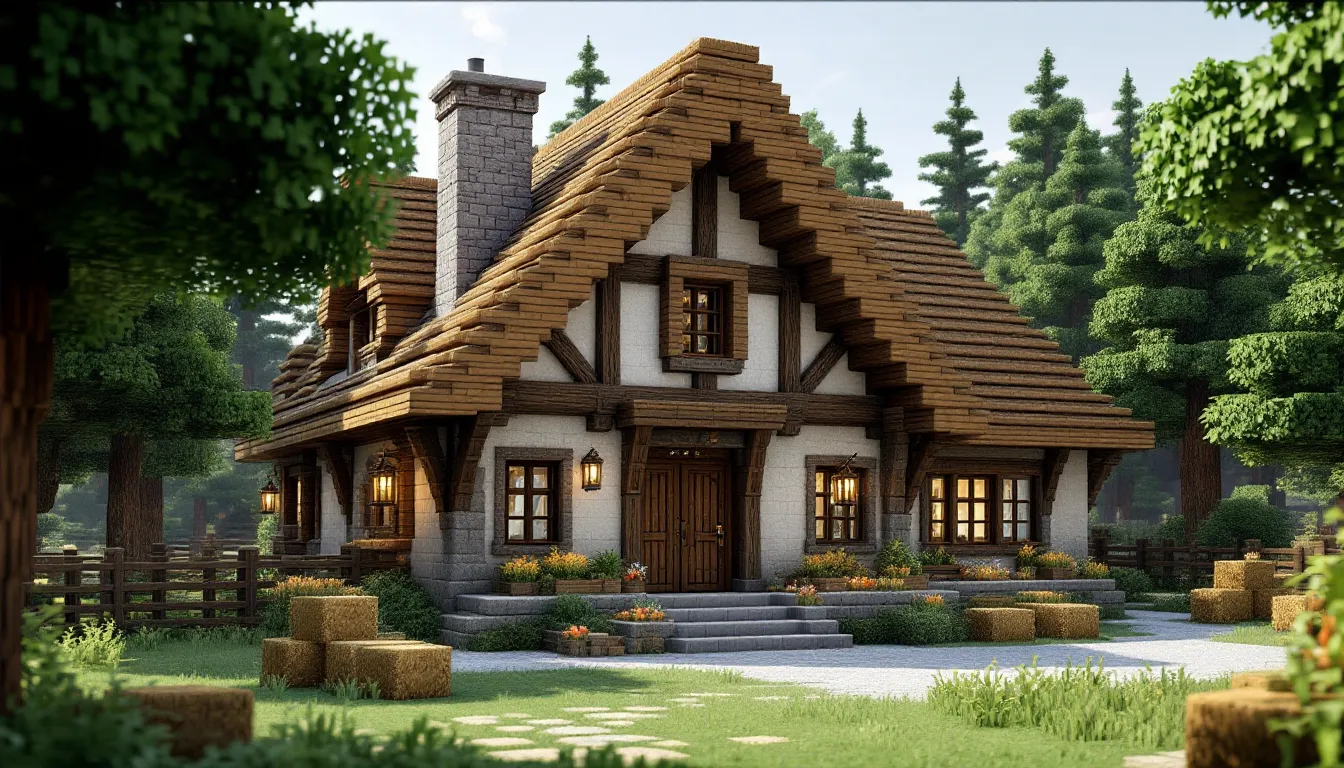
There’s something irresistible about crafting a medieval world in Minecraft. Maybe it’s the timeless appeal of stone towers rising against pixelated sunsets, or the charm of a thatched cottage tucked into a hillside. Medieval builds have dominated the Minecraft community since the game’s early days, and in 2026, they’re still going strong, fueled by new block varieties, texture updates, and an ever-growing library of building techniques.
This guide walks through everything needed to create authentic medieval houses in Minecraft, from humble cottages to sprawling castle complexes. Whether working in survival mode with limited resources or flexing creative muscle in a sandbox, the principles remain the same: understanding materials, nailing proportions, and layering in details that bring builds to life. No fluff, no filler, just proven techniques and practical advice from foundation to final torch placement.
Table of Contents
ToggleKey Takeaways
- Medieval house builds in Minecraft require attention to proportions, material selection, and layered detailing—starting with foundations and ending with atmospheric lighting and weathering effects.
- Essential materials for authentic medieval construction include stone bricks and cobblestone for structures, oak and spruce wood for warmth and aesthetics, and decorative blocks like lanterns, chains, and mud bricks for visual depth.
- Proper roof pitch (steep angles rising at least one block vertically per block horizontally) and wall thickness (minimum 2–3 blocks) are critical to avoiding amateur-looking medieval house designs.
- Strategic window placement (spacing windows 3–4 blocks apart, keeping them narrow), mixed textures, and recessed elements create visual interest and prevent flat, lifeless walls in your medieval builds.
- Landscaping integration—including pathways, gardens, outbuildings, and terrain grading—transforms isolated structures into cohesive medieval environments that feel naturally settled.
- Start with simple cottages to master fundamentals before advancing to castles and manor complexes, allowing techniques learned in smaller projects to elevate larger medieval house projects over time.
Why Build Medieval Houses in Minecraft?
Medieval architecture fits Minecraft like a perfectly crafted sword in its scabbard. The blocky nature of the game mirrors the chunky, angular construction of medieval buildings, stone keeps, timber-framed halls, and cobbled streets all translate naturally into Minecraft’s voxel-based world.
Beyond aesthetics, medieval builds offer functional advantages. They scale beautifully from starter bases to massive server hubs. A simple cottage takes an hour to construct, while a full castle can become a weeks-long project with room for endless expansion. Medieval structures also integrate seamlessly into most biomes, whether perched on mountain cliffs or nestled in forest clearings.
The medieval theme dominates multiplayer servers and YouTube build showcases for good reason: it’s instantly recognizable, endlessly customizable, and supported by Minecraft’s block palette better than almost any other architectural style. Plus, defensive features like walls and towers aren’t just decorative, they’re genuinely useful in survival mode when dealing with mobs or PvP situations.
Essential Materials for Medieval Construction
Best Blocks for Stone Structures
Cobblestone and stone bricks form the backbone of medieval construction. Cobblestone provides that rough, weathered foundation look, while stone bricks deliver clean lines for towers and manor walls. Don’t sleep on andesite and deepslate, added in recent updates, they create excellent variation and darker accents.
For defensive structures, mix in stone brick stairs and slabs to add depth without eating up space. Cracked stone bricks and mossy variants break up monotonous walls and suggest age. Gravel paths and cobblestone walls complete the medieval stone toolkit.
Blackstone (from the Nether) has become a medieval builder’s secret weapon since its introduction. Its dark, weathered appearance works perfectly for castle foundations and dungeon areas. Polished blackstone bricks provide a regal alternative to regular stone bricks.
Wood Types and Their Medieval Aesthetic
Wood selection makes or breaks medieval builds. Oak and spruce are the most authentically medieval options, oak for warm, rustic interiors and structural beams, spruce for darker, moodier atmospheres and roof supports.
Dark oak planks and logs create striking timber-frame patterns when combined with light-colored walls. Avoid birch in exterior medieval builds: it reads too modern and clean. Mangrove wood, added in the 1.19 Wild Update, offers a reddish tone that works surprisingly well for aged wood effects.
Stripped logs as support beams, trapdoors as shutters, and fence posts as decorative framing, these wood applications appear in nearly every successful medieval build. Stock up on oak fences in particular: they’re versatile for everything from furniture to railings.
Decorative and Detailing Blocks
Details separate decent medieval builds from jaw-dropping ones. Lanterns and chains (added in 1.16) revolutionized medieval lighting, providing hanging options that torches never could. Anvils, brewing stands, and barrels function as both decoration and storage.
Mud bricks from the 1.19 update are a game-changer for medieval builders, their earthy, imperfect texture perfectly captures the look of historical construction. Combine them with packed mud for foundations that look properly aged.
Don’t overlook buttons, trapdoors, and carpet for micro-detailing. Trapdoors create shutters and table surfaces. Carpet on fences mimics cushioned seating. Stone buttons scattered on cobblestone walls suggest irregular stonework. These tiny touches add up to create texture and visual interest that makes builds memorable.
Planning Your Medieval House Design
Choosing the Right Location and Terrain
Medieval structures historically adapted to terrain rather than fighting it. Hills become natural castle sites with built-in elevation advantages. River bends provide defensive moats without digging. Forest edges offer both building materials and atmospheric surroundings.
Flat plains work for villages and manor houses but require more landscaping effort to avoid looking sterile. Mountain builds create dramatic silhouettes but demand more material gathering. Consider proximity to resources in survival mode, a medieval build consuming thousands of stone blocks needs nearby quarries.
Biome choice affects ambiance significantly. Plains and forests feel classic European medieval. Taiga biomes with spruce trees lean Nordic. Desert medieval builds (think Middle Eastern castle architecture) demand different material palettes but work beautifully with sandstone and terracotta.
Scale and Proportions for Realistic Builds
The most common medieval build mistake? Wrong proportions. Historical medieval houses sat low and wide, not tall and narrow. Ground floors should feel substantial, aim for at least 7-9 blocks of interior height for main halls, 5-6 for side rooms and upper floors.
Wall thickness matters immensely. Single-block-thick walls scream amateur. Medieval stone walls should be at least 2 blocks thick, preferably 3 for castles. This isn’t just aesthetic, it creates interior depth for windows and allows for more interesting exterior detailing.
Window-to-wall ratio should favor walls. Medieval buildings had smaller windows than modern structures due to glass scarcity and defensive needs. Space windows at least 3-4 blocks apart, and keep them narrow, 1-2 blocks wide maximum for most builds. Arrow slits (single-block gaps with trapdoors) work perfectly for towers.
Roof pitch is critical. Medieval roofs were steep to shed rain and snow. Aim for a 45-60 degree angle minimum, in Minecraft terms, that means rising at least one block vertically for every one block horizontally, often steeper.
Step-by-Step: Building a Simple Medieval Cottage
Foundation and Floor Layout
Start with a footprint between 7×9 and 11×13 blocks, enough for distinct interior spaces without becoming a mansion. Lay cobblestone or stone brick foundation one block deep, extending it one block beyond the planned walls. This creates a subtle lip that grounds the structure visually.
Floors depend on the build’s character. Oak planks create warm, lived-in spaces. Stone bricks or polished andesite work for wealthier builds. Mix in cracked or mossy stone bricks randomly for age. For dirt-poor peasant cottages, actual dirt or coarse dirt floors are historically accurate and atmospheric.
Plan interior divisions before raising walls. A basic cottage needs a main living area, a sleeping nook, and ideally a workspace or storage area. Avoid perfect symmetry, medieval buildings grew organically. An L-shape or slightly irregular rectangle feels more authentic than a perfect square.
Walls and Window Placement
Build walls at least 5 blocks high for ground floors, this allows 2-block-tall openings for doors and windows plus roof clearance. For timber-framed cottages, create oak log posts at corners and every 3-4 blocks along walls, then fill between with mud bricks, white concrete, or bone blocks (the latter creates a plaster-like appearance).
Window placement requires restraint. Start with just 2-3 windows on the front face, 1-2 on sides, possibly none on the rear. Use glass panes (not full blocks, too modern-looking) and frame them with trapdoors as shutters. Set windows back one block from the exterior wall surface to create depth and shadow.
Doorways should be 2 blocks tall, 1 block wide, and ideally recessed or protected by a small overhang. Oak doors work for most cottages: spruce or dark oak for wealthier builds. Add stone brick stairs as a single step up to the entrance, medieval buildings rarely sat flush with ground level.
Roof Construction Techniques
Roof construction separates good medieval builds from great ones. Start with a steep pitch using stairs as the primary block, oak or spruce stairs work for thatched roofs, stone brick or blackstone stairs for tile or slate effects.
Build the main roof structure first: place stairs ascending from both long walls toward the center, creating an inverted V when viewed from the side. Overhang the roof at least one block past the walls on all sides. Use slabs to fill gaps and create subtle variation in the roofline.
For thatched roofs, layer oak stairs with hay bales underneath for thickness. Add trapdoors at the roof edge to create texture suggesting bundled reeds. For tile roofs, mix stone brick stairs with andesite stairs for weathering effects. Advanced builders can craft functional chimney designs that vent through the roof convincingly.
Don’t make roofs perfectly symmetrical. Add a small dormer window on one side, or let one roof section extend slightly further than the other. Medieval builders worked with hand tools and imperfect materials, embrace slight irregularities.
Creating a Grand Medieval Manor or Castle
Multi-Story Structures and Tower Design
Castles and manors scale up cottage principles. Each floor should maintain 5-6 block interior height minimum. Ground floors of important buildings can go 7-9 blocks for grand halls. Connect floors with oak or stone brick stair staircases housed in dedicated stairwell spaces, not stuck in corners as afterthoughts.
Towers require special attention to proportion. A tower should be at least 5×5 blocks at the base for comfortable interior space, though 7×7 or larger creates more impressive structures. Round towers (octagonal in Minecraft) provide superior defensive sight lines and look more authentic than square ones for castle corners.
Height matters for presence. Towers should rise at least 20-30 blocks for defensive structures, with crenellations (alternating stone brick walls or stair blocks) at the top. Include multiple floors with wooden platforms or stone brick slabs for archers. Arrow slits every 3-4 blocks vertically provide defensive positions and break up expansive stone walls.
Connect multiple buildings with covered walkways or enclosed corridors. Grand builds might feature a central keep, separate great hall, chapel, and service buildings arranged around a courtyard. For larger projects, players experienced with castle layout fundamentals can adapt those principles to create cohesive fortress complexes.
Defensive Features: Walls, Moats, and Gates
Curtain walls (the outer defensive walls) should be at least 3 blocks thick and 8-12 blocks tall. Top them with crenellations and a protected walkway for defenders. Extend walls into the terrain rather than fighting it, follow hillsides and incorporate natural barriers.
Moats add both defense and atmosphere. Dig them 3-4 blocks deep and at least 5 blocks wide. Fill with water or leave dry (historically accurate for many castles). Line the bottom with gravel or stone to prevent mob spawning. Cross moats with oak plank drawbridges built on fence supports, or stone bridges for permanent crossings.
Gatehouses deserve as much attention as towers. Build them at least 7×7 blocks to accommodate a passageway wide enough for horses (2-3 blocks) plus defensive structures. Create a portcullis effect using oak fences or iron bars that can appear raised or lowered. Add murder holes (gaps in the ceiling) using trapdoors for defenders to attack invaders below.
Layer defenses: outer walls, inner bailey, keep as a final fallback. Include sally ports (small side gates) for counterattacks. Place lava or magma blocks discretely in murder holes for survival mode defense, though these should be hidden to maintain medieval aesthetics.
Interior Design for Medieval Houses
Furniture and Functional Spaces
Medieval furniture relies on creative block combinations since Minecraft lacks dedicated furniture. Tables use oak fences with pressure plates, trapdoors, or carpet on top. Larger tables combine fence posts under slabs or trapdoors. Banquet tables can use dark oak stairs facing outward with carpets on top for a convincing cloth-covered effect.
Chairs and benches work best as oak stairs against walls or in corners. Add signs to stair sides for armrests. Throne rooms might use stone brick stairs with banners behind them for regal backing. Avoid placing too many chairs, medieval homes had less furniture than modern ones.
Beds are straightforward, but position them historically: in cottages, beds often occupied alcoves or corners. Wealthy builds might have separate bedchambers with carpet floors and banner tapestries. Use trapdoors as side tables, with flower pots or potions as decoration.
Storage blends function and aesthetics. Barrels fit medieval settings better than modern chests for visible storage. Chests work fine when hidden in storerooms. Item frames with tools or food items create lived-in atmospheres. Kitchens need furnaces (obviously), brewing stands, cauldrons, and composters (which resemble barrel storage).
Workspaces define building purpose: anvils and armor stands for armories, enchanting tables with bookshelves for wizard towers, looms and crafting tables for workshops, brewing stands for apothecaries. Scatter books, bottles, and tools in item frames to suggest active use.
Lighting Solutions for Authentic Ambiance
Lighting makes or breaks medieval interiors. Torches are period-appropriate but often too bright and numerous. Strategic placement matters, torches near doorways, beside workstations, flanking fireplaces. Avoid torch spam covering every wall.
Lanterns hanging from chains create dramatic overhead lighting perfect for great halls and taverns. Place them sparingly for pools of light separated by shadow. Candles (added in 1.17) are perfect for intimate spaces like bedchambers and chapels, though they provide minimal actual light.
Fireplaces serve double duty as light sources and focal points. Build them with stone brick or blackstone surrounds, campfires or netherrack for the fire itself, and use trapdoors or iron bars as grates. Many builders use detailed chimney construction techniques to vent fireplaces convincingly through roofs.
Chandeliers work for grand spaces: hang chains from ceilings with lanterns or sea lanterns (disguised with trapdoors) at the bottom. For ceiling lights without visible sources, hide glowstone or sea lanterns behind trapdoors or within decorative wooden beams.
Embrace darkness strategically. Medieval interiors were genuinely dark by modern standards. Let corners fade into shadow. Use light levels that feel atmospheric even if not optimal for mob spawning prevention, aesthetic often trumps function in creative builds.
Advanced Detailing and Texture Techniques
Adding Depth with Mixed Materials
Texture mixing elevates builds from good to exceptional. Never use single block types for large surfaces. A wall of pure cobblestone reads flat: mix in andesite, gravel, stone, and mossy cobblestone at roughly 60/25/10/5 ratios for organic variation.
Gradient techniques create visual interest: use darker blocks (deepslate, blackstone) at foundations, transitioning to lighter blocks (stone bricks, white concrete) higher up. This mimics natural weathering and the tendency of medieval builders to use whatever stone was locally available.
Create depth layers by setting certain blocks back from the main wall plane. Recessed windows are obvious examples, but also recess decorative stone button patterns, pull stone brick walls forward one block to create pilasters, or use stair and slab blocks to create corbels supporting upper floors.
Timber framing demands attention to support logic. Vertical oak logs should appear to bear weight, horizontal logs should span between verticals, and diagonal braces should reinforce corners and large spans. Study real timber-framed buildings, the patterns aren’t random decoration, they’re functional (or at least appear functional).
Many expert builders reference design collections on community modding platforms for inspiration on advanced building techniques and texture pack combinations that enhance medieval aesthetics.
Weathering and Aging Effects
Mossy variants of stone bricks and cobblestone should concentrate in specific areas, not scatter randomly. Apply moss heavily at foundations (where moisture accumulates), north-facing walls (less sunlight), and near water features. Leave upper walls and south-facing surfaces mostly clean.
Cracked stone bricks suggest age and stress. Place them along foundation corners, near doorways (high traffic), and randomly throughout large walls at roughly 5-10% density. Overuse makes builds look damaged rather than aged.
Vines and glow lichen (the latter from 1.17) add organic weathering. Let vines crawl down from roof edges and around windows, but maintain clean areas too, fully overgrown reads as abandoned, not simply old. Glow lichen provides subtle ambiance on stone in dark corners.
Structural sagging suggests centuries of settling. Drop rooflines slightly in the center of long spans. Let upper floors extend outward slightly beyond lower floors (jettying, historically accurate for timber buildings). Introduce slight irregularities in wall heights and angles.
Wear patterns around entrances: replace a few stone brick blocks with cracked variants near doorways, add gravel patches in courtyards where foot traffic would wear through cobblestone, let grass or moss creep into corners of paved areas. These micro-details suggest buildings exist in time, not freshly spawned.
Landscaping and External Features
Gardens, Pathways, and Courtyards
Medieval gardens were utilitarian before decorative. Wheat, carrots, and potatoes in small, irregular plots surrounded by oak fences or cobblestone walls fit perfectly near cottages. Herb gardens using flowers and sweet berry bushes work for monasteries or manor houses. Avoid geometric modern garden layouts, medieval plots followed terrain and available space.
Pathways should use gravel, dirt paths (created with shovels), or cobblestone in irregular widths. Mix in coarse dirt and random stone blocks for weathered effects. Paths should wander logically between buildings and features, not run in perfect straight lines.
Courtyards serve as gathering spaces in larger builds. Surface them with stone bricks or cobblestone, allowing grass to break through joints (place grass blocks randomly at 5-10% density). Add a central well, fountain (using stone brick and water), or statue as a focal point. Ring courtyards with functional buildings: kitchens, workshops, stables.
Trees soften hardscapes but shouldn’t overwhelm. Plant oak or spruce trees individually or in small clusters, leaving plenty of open space. Shrubs (leaf blocks placed directly on the ground) create hedges or garden borders. For advanced landscaping, some players consult gaming tutorial resources for terrain modification techniques that integrate builds naturally into Minecraft’s generated landscapes.
Stables, Wells, and Outbuildings
Stables typically use simpler construction than main buildings, oak planks and fences for walls, hay bales for storage, dirt or coarse dirt floors. Size stalls at least 3×3 blocks for horses. Include water troughs (use cauldrons or trapdoor-rimmed water blocks), tack rooms with saddles and armor in item frames, and adjacent paddocks fenced with oak fences.
Wells are essential medieval features. Build them 3×3 or 5×5 blocks using cobblestone or stone brick walls rising 2-3 blocks above ground. Top with a wooden roof on oak fence posts, include a tripwire hook and string for a bucket rope. Water source blocks fill the bottom, though the well can extend down 10-20 blocks for realism.
Workshops (blacksmiths, carpenter sheds, potter studios) should be compact, 7×9 to 9×11 block footprints maximum. Heavy smoke-producing work like smithing requires robust chimneys. Include appropriate work stations: anvils and furnaces for smithies, crafting tables and stonecutters for carpentry, furnaces and clay storage for pottery.
Barns and storage buildings follow stable construction principles but need more space. Use post-and-beam construction with oak log frames filled with planks. Include hay bale storage, chest rooms, and composters. Large doors (4 blocks wide, 3-4 blocks tall) accommodate carts and livestock.
Guard towers dot curtain walls and property perimeters. Keep them simple: 5×5 block footprints, 15-20 blocks tall, with crenellated tops and arrow slits. Connect wall-mounted towers to walkways for patrol routes.
Common Mistakes to Avoid
Flat walls kill medieval builds faster than any other mistake. Always add depth through mixed materials, recessed elements, or protruding supports. Even simple cottages benefit from oak log corner posts set forward one block from the main wall.
Wrong roof pitch betrays amateur builds instantly. Minecraft’s block system tempts builders toward 45-degree roofs (one block up, one block over), but medieval roofs should be steeper, aim for two blocks up per one block over minimum. Flat or shallow roofs never read as medieval.
Over-symmetry makes builds feel lifeless. Medieval structures grew organically over time, with additions and modifications. Offset windows, add an asymmetric wing, vary tower heights, let roof peaks sit slightly off-center. Controlled asymmetry creates authenticity.
Scale creep tempts builders to go bigger than necessary. A “small cottage” that’s actually 25×30 blocks loses coziness. A castle with 50-block-tall towers becomes a parody. Reference real medieval proportions: cottages were tiny, great halls were impressive but not massive, defensive walls prioritized function over intimidation.
Modern block choices break immersion. Quartz, concrete (except white concrete for plaster effects), prismarine, and purpur have no place in medieval builds. Terracotta only works for specific Mediterranean/Middle Eastern builds. Stick to stone, wood, and earthy blocks.
Over-lighting destroys atmosphere. Modern Minecraft players habitually eliminate all shadow to prevent mob spawning, but this makes medieval interiors look like office buildings. Accept some darkness, use slabs and carpets to prevent spawns while maintaining dim, atmospheric lighting.
Ignoring context means building medieval structures in visual vacuums. A pristine stone castle surrounded by untouched terrain looks dropped in by a builder, not grown from its landscape. Grade terrain around foundations, add pathways, plant gardens, scatter debris, and integrate builds into their environments.
For inspiration on avoiding layout pitfalls, analyzing successful builds through game walkthrough communities provides insight into how experienced builders structure complex medieval projects from planning through execution.
Inspiration and Building Resources
Historical references beat fantasy concepts for grounded medieval builds. Research actual medieval architecture: English cottages, French châteaux, German timber-frame towns, Italian stone towers. Pinterest and architecture history sites offer endless reference photos showing authentic proportions, materials, and details.
Minecraft build showcases on YouTube provide technique demonstrations. Search for specific build types (“medieval cottage tutorial,” “castle wall techniques”) rather than generic medieval videos. Pay attention to block choices, scaling decisions, and detailing methods used by experienced builders.
Texture packs dramatically enhance medieval builds. Conquest Reforged, John Smith Legacy, and Halcyon Days packs provide historically-appropriate textures that make medieval materials shine. Even vanilla textures work fine, but period-appropriate packs add polish without requiring mods.
Schematic tools like Litematica or WorldEdit help with large-scale projects, allowing builders to plan sections in creative mode before executing in survival, or to repeat structural elements like wall sections and towers without rebuilding from scratch each time.
Server communities focused on medieval building offer feedback, collaboration opportunities, and motivation. Multiplayer medieval town projects provide context for individual builds and push builders to maintain consistent styles and quality levels.
Reference servers like Medieval Realms or Lord of the Rings-themed servers showcase world-class medieval construction at massive scales. Explore these in spectator mode to study how expert builders handle transitions between structures, manage large-scale landscaping, and maintain stylistic consistency.
Time period specificity improves authenticity. Early medieval (500-1000 AD) favors simpler construction, heavy timber use, minimal stone. High medieval (1000-1300 AD) introduces larger stone structures, more sophisticated castles, Gothic elements. Late medieval (1300-1500 AD) shows more elaborate timber framing, larger windows, decorative elements. Choose an era and research its architectural characteristics.
Conclusion
Medieval house construction in Minecraft rewards patience and attention to detail. The difference between a forgettable stone box and a build that earns screenshot status comes down to material choices, proportions, and layered detailing. Start with simple cottages to master fundamentals, roof pitch, wall thickness, window placement, before tackling castles or manor complexes.
The beauty of medieval building is scalability. A single cottage serves as a perfectly functional survival base. That same cottage becomes the first building in a village that grows organically over weeks or months. Eventually, those villages need castles for protection, those castles need surrounding infrastructure, and suddenly a simple building project evolves into a living medieval world.
Don’t rush. Medieval builders worked for decades on cathedrals and castles: Minecraft builders can afford to spend sessions on single structures, refining details, testing material combinations, and iterating toward better results. The blocks aren’t going anywhere, and each build improves the next one.
Most importantly, build what excites you. A historically accurate 14th-century English village is impressive, but so is a fantasy-medieval hybrid with towers that couldn’t exist in reality but look perfect in Minecraft. The techniques remain consistent: strong proportions, varied materials, thoughtful details, and integration with the environment. Apply those principles to whatever medieval vision drives the creative process, and the results will stand out.