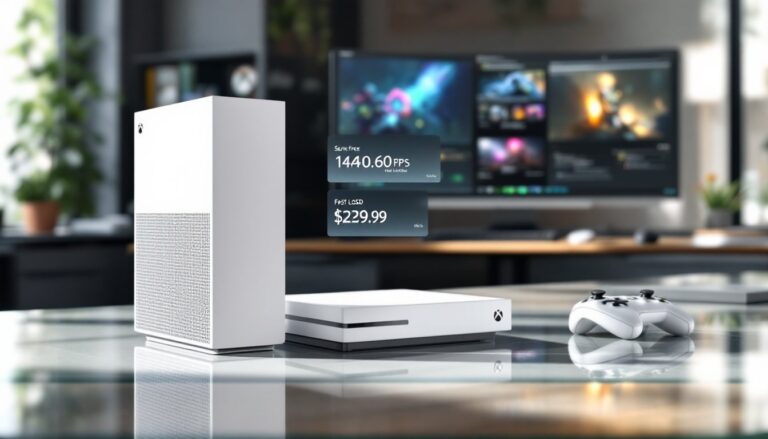
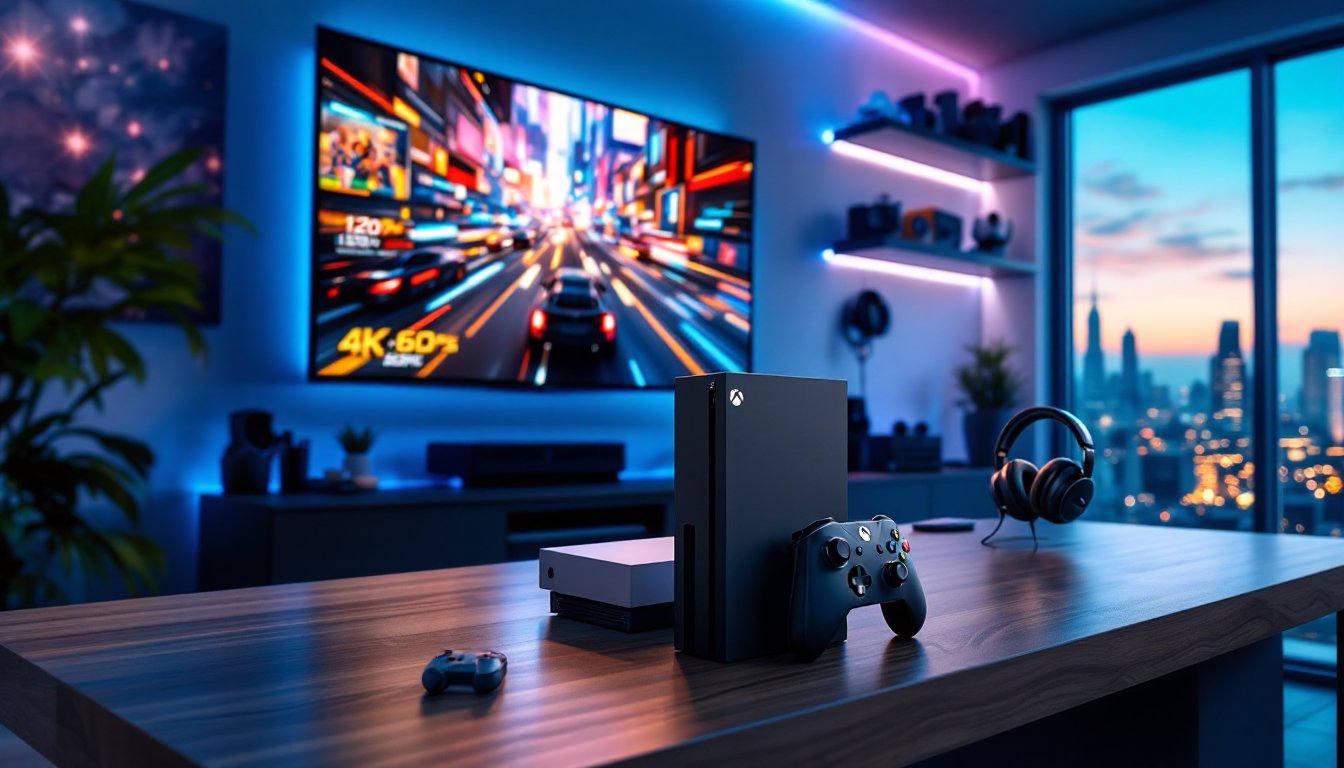
The Xbox Series X is Microsoft’s powerhouse ninth-generation home console, built to deliver next-gen gaming at its finest. Launched in November 2020, it’s designed for gamers who refuse to compromise on performance, frame rates, and visual fidelity. Whether you’re chasing 4K/60fps gameplay or exploring massive open worlds with zero-second load times, the Xbox Series X stands as one of the most capable gaming machines available today. This guide breaks down what makes the Series X tick, what you can play on it, and whether it’s the right choice for your setup.
Table of Contents
ToggleKey Takeaways
- The Xbox Series X delivers 4K/60–120fps gaming with an 8-core Zen 2 CPU, 12 TFLOPS GPU, and ultra-fast NVMe SSD that reduces load times from 30+ seconds to near-instant.
- Backward compatibility across four Xbox generations—original Xbox, Xbox 360, Xbox One, and Series X|S titles—lets you play thousands of games with automatically enhanced performance.
- Xbox Game Pass Ultimate is the killer feature, offering hundreds of games day-one plus cloud streaming to phones, tablets, and PCs for seamless cross-device play.
- The console excels in multiplayer with cross-platform play support, integrated Looking for Group tools, and Clubs for community management without external apps.
- Choose Xbox Series X over the more affordable Series S if you own a 4K TV or monitor and want maximum performance; the Digital Edition omits the 4K Blu-ray drive for collectors.
What Is Xbox Series X?
The Xbox Series X is Microsoft’s flagship console in the current generation, sitting at the top of their lineup alongside the more affordable Xbox Series S. It targets hardcore gamers and performance enthusiasts who want true 4K gaming with no compromises. The console succeeds the Xbox One generation and brings substantial improvements in processing power, storage speed, and GPU capabilities.
What sets it apart is its massive backward compatibility library, you can play thousands of games spanning four Xbox generations: original Xbox, Xbox 360, Xbox One, and native Xbox Series X
|
S titles. This isn’t a marketing gimmick: enhanced versions of older games automatically scale to take advantage of the Series X’s hardware. Load times that took 30+ seconds on Xbox One? Now instant. The console also supports hardware-accelerated ray tracing, variable rate shading, and advanced upscaling technologies that push visual quality further than its predecessor generation could achieve.
Unlike the Xbox Series S, which targets 1440p/60fps gaming at a lower price point, the Xbox Series X is built for 4K native resolution with aggressive frame rates. It’s the console for players who notice frame pacing, who demand crisp visuals at 120fps, and who want the technical ceiling maxed out.
Key Hardware Specs and Performance
The Series X’s internals are where the real power lives. Here’s what you’re working with:
- CPU: 8-core AMD Zen 2 running at 3.8 GHz (3.6 GHz with simultaneous multithreading)
- GPU: Custom AMD RDNA 2 with 52 compute units clocked at 1.825 GHz, delivering 12 TFLOPS
- RAM: 16 GB GDDR6 split into two pools, 10 GB for gaming at 560 GB/s, 6 GB at 336 GB/s
- Storage: 1 TB custom NVMe SSD with raw speeds up to 2.4 GB/s, capable of 4.8 GB/s decompressed
- Expansion: Seagate Storage Expansion Card (512 GB, 1 TB, or 2 TB) for Series X
|
S games, plus USB 3.2 external drive support for Xbox One backups
- Optical: 4K UHD Blu-ray drive (Digital Edition omits this)
These specs aren’t just numbers on a sheet, they fundamentally change how games play.
Processor, GPU, and Frame Rates
The Zen 2 CPU paired with 12 TFLOPS of GPU muscle makes 4K/60fps the baseline for most modern releases. Performance modes push 120fps at reduced resolution (typically 1080p/1440p). Titles like Forza Horizon 5 deliver 4K/30fps with ray tracing or 1440p/60fps without it, players choose based on preference.
The real magic is the Velocity Architecture: the SSD talks directly to the GPU via DirectStorage, eliminating traditional CPU bottlenecks during asset loading. Sampler Feedback Streaming lets developers stream ultra-high-resolution textures only where the camera points. In practical terms? According to The Verge’s hands-on testing, load times drop from 30+ seconds to near-instant, completely changing how game level design works.
Gaming Library and Exclusive Titles
The Series X’s library is enormous, spanning decades of gaming. Native games include Halo Infinite, Forza Horizon 5, Starfield, and Senua’s Saga: Hellblade II, all showcasing what the hardware can do. Bethesda and Activision Blizzard titles are coming too, since Microsoft acquired both studios.
Backward compatibility is the real draw. Thousands of Xbox One, Xbox 360, and original Xbox games run better than ever: faster load times, higher frame rates, improved frame pacing. The Smart Delivery system automatically detects your console and installs the optimized version. You don’t manually choose between Xbox One and Series X versions, it just happens.
The Xbox Series S offers similar library access but targets lower resolution. If you’re debating between the two, the Series X is the choice if you own a 4K TV or monitor and want maximum performance. The Xbox Series S: The Complete 2026 Buyer’s Guide covers the budget option in depth if cost matters more than raw power.
For disc collectors, the Series X includes a 4K UHD Blu-ray drive, unlike the Digital Edition. This matters if you own physical game collections or want to leverage your existing media library.
Xbox Game Pass: Unlimited Gaming Value
Game Pass is arguably the Series X’s killer feature. For a monthly subscription, you get access to hundreds of games including day-one access to all Xbox Game Studios releases. Starfield, Hellblade II, Gears 6, all available day one with Game Pass Ultimate.
The service offers three tiers:
- Game Pass (Console): Console-exclusive library, no cloud streaming
- Game Pass (PC): PC library with Game Pass app
- Game Pass Ultimate: Everything, console games, PC games, cloud streaming, and EA Play bundled
Cloud streaming is where it gets interesting. With Ultimate, you can play hundreds of Series X titles on your phone, tablet, or lower-spec computer via Xbox Cloud Gaming. It’s not local processing: the Series X runs the game in Microsoft’s data center and streams video to your device. Latency varies by connection, but for single-player games or less competitive titles, it’s surprisingly smooth.
Smart Delivery ensures you automatically get the best version for your platform. Play a Game Pass title on console, pick it up on cloud, your saves sync seamlessly. GameSpot’s detailed review highlights this ecosystem integration as a major advantage over PlayStation.
Online Multiplayer and Social Features
Online gaming on Xbox Series X requires Xbox Game Pass Core (free tier) or Game Pass Ultimate. The Xbox Network handles matchmaking, party chat, and cross-platform play for supported titles.
Cross-play is standard now, many games include PC and even PlayStation support. Halo Infinite, Fortnite, and Warzone all feature cross-platform lobbies. Your Xbox friends list syncs with the Xbox mobile app, allowing text/voice messaging when offline. Looking for Group (LFG) lets you post for raid buddies, tournament partners, or casual squad mates without external Discord servers.
Clubs create communities around games or interests. Mute teammates per-club, manage permissions, and organize events directly in-console. Remote play streams your Series X to your phone, letting you continue a session elsewhere if needed. Game Informer’s review emphasizes how the Series X integrates console, cloud, and mobile, fewer separate apps, more seamless experience.
The ecosystem genuinely shines here. Whether you’re into competitive esports or casual couch co-op, the infrastructure just works. The Xbox One S All-Digital Edition also accesses these features, but the Series X’s raw performance makes competitive play noticeably smoother.
Conclusion
The Xbox Series X is a powerhouse built for players who demand peak performance. With an 8-core Zen 2 CPU, 12 TFLOP RDNA 2 GPU, and lightning-fast NVMe storage, it delivers 4K/60–120fps gaming with minimal load times and next-gen visual effects. Backed by an enormous backward-compatible library, Game Pass integration, and cross-platform multiplayer, it’s a complete ecosystem rather than just a box. If you’re investing in next-gen gaming, the Series X remains one of the strongest choices available in 2026.