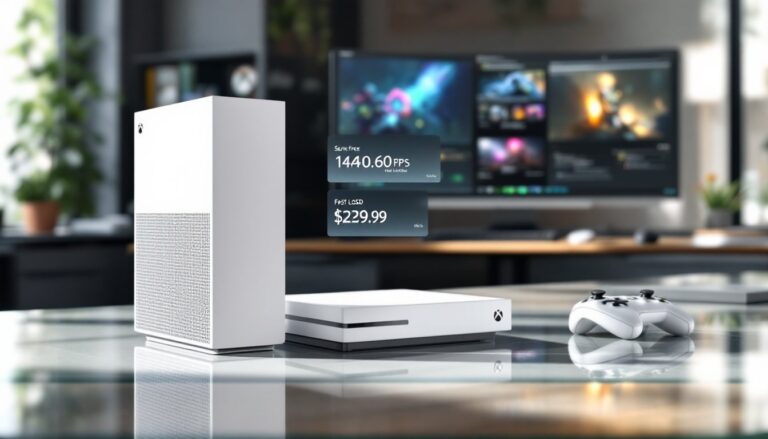
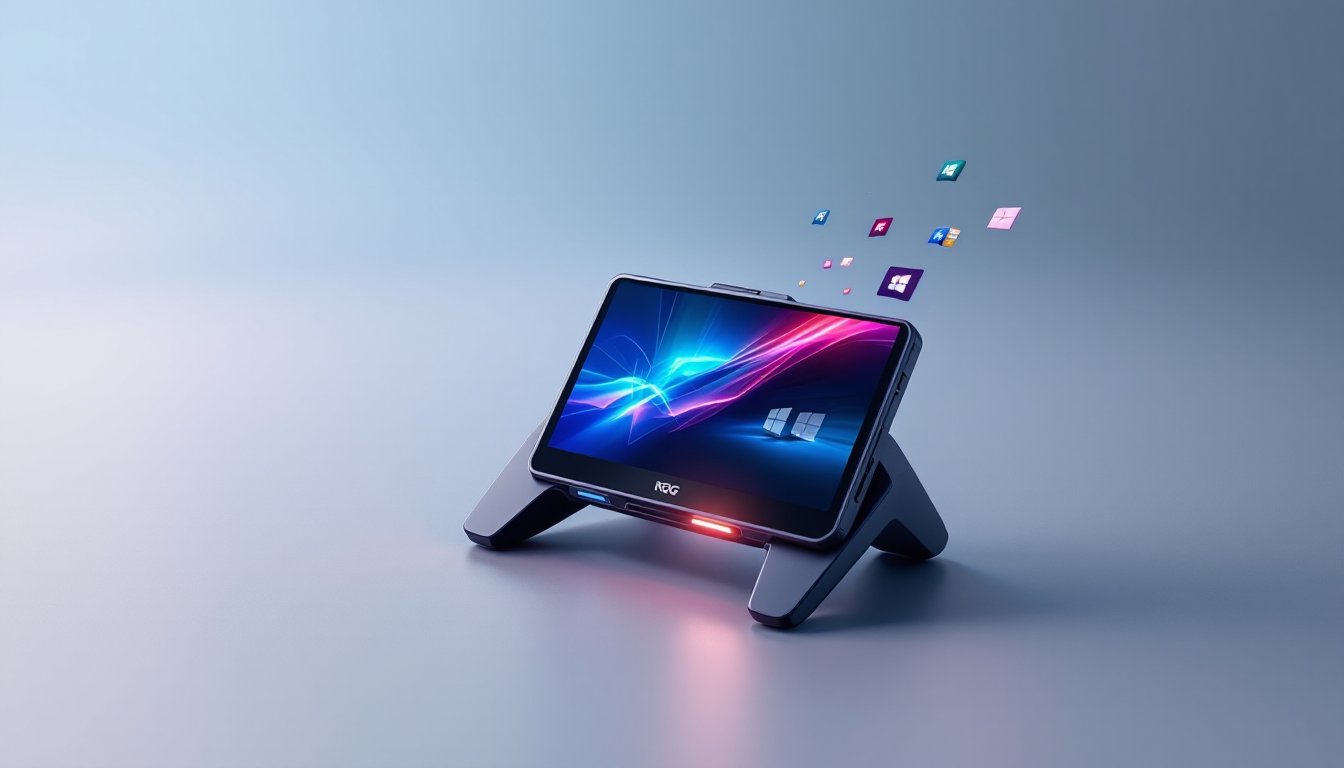
Microsoft’s push into portable gaming is real, and it’s not what you might expect. The Xbox handheld isn’t a traditional console, it’s the ROG Xbox Ally family: Windows 11 devices co-developed by Microsoft and Asus. These aren’t locked-down gaming machines: they’re full-featured handhelds that run the complete Windows ecosystem alongside Xbox-optimized software. If you’ve been curious about whether Microsoft has a true handheld competitor to the Steam Deck or Nintendo Switch, the answer is more nuanced than a simple yes or no. Let’s break down what makes these devices tick, who they’re actually for, and whether the premium price tag justifies the experience.
Table of Contents
ToggleKey Takeaways
- The Xbox handheld is actually the ROG Xbox Ally and Ally X—premium Windows 11 portable PCs with Xbox branding, not traditional console competitors, offering access to the full PC gaming ecosystem alongside Xbox Game Pass.
- The Ally X ($999.99) outperforms the standard Ally ($599.99) with a more powerful processor, more RAM, and a larger battery, making it better suited for competitive gaming and newer AAA titles.
- Unlike Steam Deck or Nintendo Switch, the Xbox handheld provides native Windows flexibility and supports multiple game storefronts (Steam, Epic Games, Battle.net, GOG), though it streams Xbox Series X exclusives rather than running them natively.
- Battery life ranges from 2-4 hours depending on game demands and refresh rate settings, making the Xbox handheld less endurance-focused than competitors but more powerful for portable gaming.
- The Xbox handheld justifies its premium price tag primarily for existing Xbox Game Pass subscribers and PC gamers, while budget-conscious players or Nintendo fans should consider Steam Deck or Switch alternatives.
What Is the Xbox Handheld?
The Xbox handheld refers to the ROG Xbox Ally and ROG Xbox Ally X, Windows 11 handheld gaming PCs with Xbox branding and a dedicated Xbox mode. These aren’t console replacements: they’re premium portable PCs that prioritize gaming. Think of them as a bridge between the flexibility of PC gaming and the portability you want from a handheld device.
Both models feature a 7-inch touchscreen, Xbox-style controls, and Windows 11 under the hood. When you power on either device, it boots into Xbox mode, a full-screen interface optimized for controller navigation. But flip into desktop mode and you get access to the entire Windows ecosystem. This dual nature is their biggest defining feature: you get console-like simplicity when you want it, and PC power when you need it.
They’re not Xbox Series X
|
S consoles shrunk down, and that’s important to understand. You won’t natively run Xbox Series X exclusives: instead, you’re playing PC versions of games or streaming from your home console via xbox cloud gaming.
Key Specs and Hardware Features
ROG Xbox Ally
• CPU/GPU: AMD Ryzen Z2 (quad-core Zen 2, RDNA 2 GPU)
• RAM: 16 GB LPDDR5
• Storage: 512 GB PCIe 4.0 SSD (upgradeable), microSD slot
• Display: 7″ 1080p (1920×1200) touchscreen, up to 120 Hz, VRR, ~500 nits
• Battery: 60 Wh
• Weight: ~670 grams
• Ports: USB-C, 3.5mm audio jack, microSD slot
ROG Xbox Ally X
• CPU/GPU: AMD Ryzen AI Z2 Extreme (octa-core Zen 5, RDNA 3.5 GPU, NPU)
• RAM: 24 GB LPDDR5X
• Storage: 1 TB PCIe 4.0 SSD (upgradeable), microSD slot
• Display: Same as Ally, 7″ 1080p, up to 120 Hz, VRR
• Battery: 80 Wh (larger capacity)
• Weight: ~715 grams
The Ally X is the performance tier, better CPU, more RAM, larger battery, and a more powerful GPU. For competitive gaming or newer AAA titles, the Ally X pulls ahead. Both include fingerprint power buttons, Wi-Fi 6E, Bluetooth 5.3, and Xbox-style analog sticks and buttons.
Game Library and Compatibility
Here’s where the Xbox handheld shines: since it’s a Windows device, you’re not locked into a proprietary store. You get access to:
• Xbox Game Pass for PC and Xbox Play Anywhere titles through the Xbox app
• Steam, Battle.net, Ubisoft Connect, GOG, and Epic Games Store, basically any PC game distribution platform
• Xbox Cloud Gaming via browser or app for streaming console titles
• Remote play to stream games from an Xbox console at home
Thousands of games are playable, from indie titles to AAA releases. Performance depends on the hardware (Ally vs. Ally X), game settings, and refresh rate. You can dial down resolution or frame rate to extend battery life, or push for 1080p 60 FPS on lighter games.
One caveat: you won’t natively run Xbox Series X or xbox series x exclusive titles directly. Instead, you stream them via Xbox Cloud Gaming or play PC ports. This is a meaningful difference from a native Xbox console experience, but cloud streaming has improved significantly, latency and visual quality are now solid for most gamers with decent internet.
How It Compares to Competitors
vs. Steam Deck / Steam Deck OLED
The Steam Deck is cheaper, runs SteamOS (Linux), and prioritizes Steam’s library. The Xbox Ally line runs Windows 11 and supports broader storefronts. Steam Deck has longer battery life and lower entry price (~$400). Ally X targets higher 1080p performance and native Windows flexibility. If you own a massive Steam library, Steam Deck is logical. If you want Xbox Game Pass integration and Windows ecosystem access, Ally wins.
vs. Nintendo Switch
The Switch is a closed console with exclusive Nintendo franchises, lower raw performance, and a $300 entry price. The Ally devices are open Windows systems with higher performance but no Nintendo exclusives. They’re fundamentally different devices for different use cases.
vs. Other Windows Handhelds
Devices like the Lenovo Legion Go and MSI Claw exist, but the ROG Xbox Ally line is the only one with official Xbox branding and a first-party Xbox UX layer. That matters for integration with your existing Xbox ecosystem. Gaming laptops reviewed on Laptop Mag and tested on Tom’s Hardware often provide performance comparisons, though dedicated gaming handhelds optimize for portability differently.
Pricing and Availability
• ROG Xbox Ally: MSRP ~$599.99 (€599)
• ROG Xbox Ally X: MSRP ~$999.99 (€899)
These are premium price points. For context, the Steam Deck starts at $399, and the Nintendo Switch is $300. You’re paying a significant premium for the Ally line, and that’s before factoring in games or Xbox Game Pass subscriptions.
Availability varies by region. Both models are sold through Asus/ROG retail partners, major electronics outlets, and Microsoft/Xbox channels. Expect regional availability to differ, some markets may have limited stock or different pricing due to taxes and local distribution.
By May 2026, these devices have been out long enough that stock is more stable, though premium models like the Ally X may have occasional supply constraints. Check local retailers for current pricing and bundles.
Is It Worth Buying?
The answer depends on your situation.
Buy if you:
• Are already invested in Xbox Game Pass and Xbox ecosystem
• Want native Windows access alongside Xbox services
• Need portable 1080p gaming and can tolerate battery tradeoffs
• Play PC games and want them on the go
• Value a first-party Microsoft handheld experience
Skip if you:
• Have a tight budget, Steam Deck or Switch offer better value
• Prioritize Nintendo exclusives (Switch only)
• Want maximum battery life and simplicity
• Are uncomfortable with Windows 11 on a handheld (complexity, updates, driver management)
• Don’t play PC or Xbox titles regularly
The real strength is ecosystem integration. If you’re already paying for Game Pass, own an Xbox console, or play heavily on PC, the Ally devices make genuine sense. You’re not paying for gaming capability alone: you’re buying convenience and platform continuity. But, if you’re a casual gamer or primarily play Nintendo franchises, the cost-to-benefit ratio isn’t there.
Battery life varies wildly. Expect 2-4 hours depending on game demands and refresh rate. The Ally X’s larger battery helps, but Windows overhead means it won’t match Nintendo Switch endurance.
Conclusion
The Xbox handheld market in 2026 centers on the ROG Xbox Ally and Ally X, Windows-based, Xbox-branded handhelds that bridge PC gaming flexibility and Xbox ecosystem integration. They’re not traditional consoles: they’re premium portable PCs. The decision to buy hinges on whether you value Xbox Game Pass, PC game library access, and Windows flexibility enough to justify the premium price. For existing Xbox and PC gamers, they’re compelling. For everyone else, alternatives like Steam Deck or Nintendo Switch might make more financial sense. Whichever path you choose, handheld gaming has never been more diverse or powerful.